






The 2026 federal tax landscape reflects a combination of inflation adjustments and legislative changes, most notably from the “One Big Beautiful Bill” enacted in 2025. These updates affect income tax brackets, the standard deduction, and estate and gift tax thresholds, all of which are critical for estate and tax planning.
Income Tax Brackets
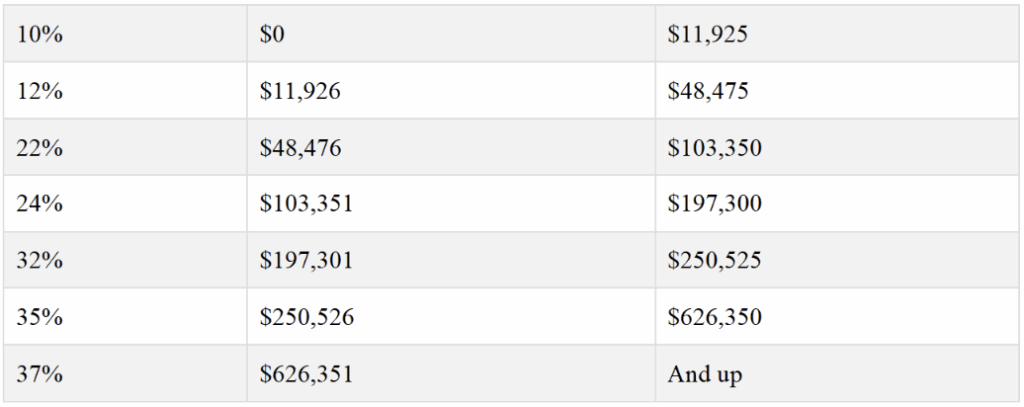
The federal income tax rates for single filers are as follows:
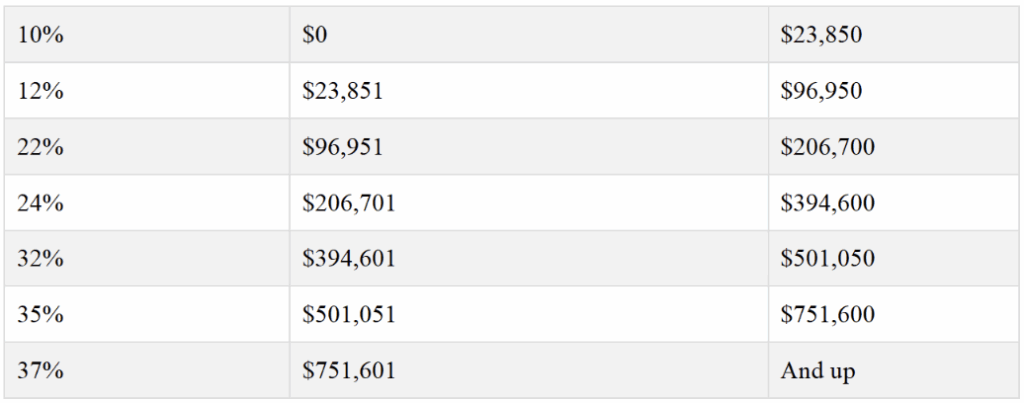
The federal income tax rates for married couples are as follows:
Trust Income Tax Brackets
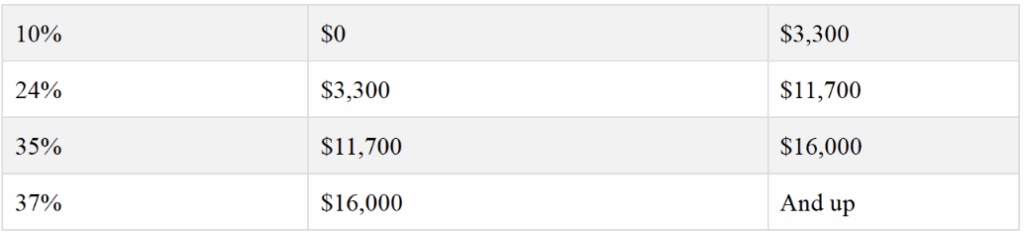
Federal income tax brackets for trusts in 2026 are as follows:
Standard Deduction
The standard deduction increases again for 2026:
- Single filers: $16,100
- Married filing jointly: $32,200
- Head of household: $24,150
Additional deductions are available for taxpayers age 65 or older or who are blind, further increasing the total deduction. These increases reduce taxable income and simplify filing for taxpayers who do not itemize deductions.
Estate and Gift Tax Exemption
One of the most significant changes in 2026 is the increase in the lifetime estate and gift tax exemption:
- Individual exemption: $15,000,000
- Married couples (combined): $30,000,000
This represents a substantial increase from 2025 and is now permanent under current law, with future inflation adjustments expected. Amounts exceeding the exemption are generally subject to a 40% federal estate or gift tax.
Annual Gift Tax Exclusion
The annual gift tax exclusion for 2026 remains unchanged:
- $19,000 per recipient
- $38,000 for married couples (gift splitting)
This means individuals can transfer up to $19,000 per person each year without using any portion of their lifetime exemption or filing a gift tax return.
The 2026 tax updates provide modest relief through inflation-adjusted income brackets and higher standard deductions, while significantly expanding wealth transfer opportunities through the increased estate and gift tax exemption. However, the compressed tax brackets for trusts continue to require careful planning. Overall, these changes emphasize the importance of proactive tax and estate planning to maximize benefits under the current law.